
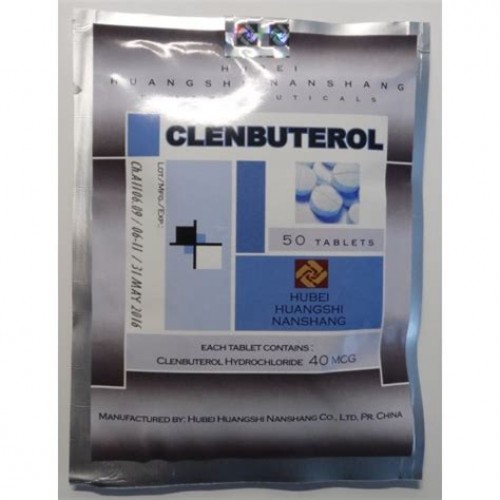
Clenbuterol 50 Tablets Hubei
Trade names: Clen, Ventipulmin
Chemical name: Clenbuterol Hydrochloride
Routes: oral, injectable
Clenbuterol
Hydrochloride
Order Clenbuterol Online (often referred to as Clen or by the brand name Ventipulmin is a potent sympathomimetic amine. While medically utilized as a bronchodilator for respiratory conditions, it is widely utilized in athletic circles for weightloss due to its thermogenic and β2β2-agonist properties.
Mechanism of Action for Weightloss
Buy Clenbuterol50 Tablets Hubei Online in Europe increases the body's basal metabolic rate (BMR) and aerobic capacity. By acting as a β2β2 agonist, it stimulates fat cells to release free fatty acids, making it a popular choice for those seeking fat reduction. While animal studies suggest anabolic potential, this has not been scientifically validated in humans.
Dosing and Titration Strategy
To avoid life-threatening side effects, users must follow a strict, gradual titration protocol:
- Initial Dose: 30–40 mcg30–40 mcg daily.
- Titration: Increase by 10–20 mcg10–20 mcg every 3–4 days as side effects permit.
- Maximum Limit: Never exceed 120 mcg120 mcg per day (men) or 80 mcg80 mcg per day (women). Rapid increases or exceeding these limits are linked to severe cardiovascular complications.
Managing Receptor Downregulation
Clenbuterol efficacy typically wanes after 4–6 weeks due to β2β2 receptor downregulation.
- Monitoring: Measure your body temperature early each morning upon waking. A sustained elevation of 0.5∘C0.5∘C to 1∘C1∘C relative to your baseline indicates the drug is still active.
- Ketotifen Integration: To prevent downregulation without cycling off, 3 mg3 mg of the antihistamine Ketotifen can be taken daily to keep receptors sensitized.
Safety and Toxicity Warnings
Buying Clenbuterol Online is a strong CNS stimulant with a high risk of overdose.
- Common Side Effects: Insomnia, tremors (nausea, sweating, and elevated blood pressure. These generally subside after the first week.
- Signs of Fatal Overdose: Irregular heartbeat (arrhythmia), extreme restlessness, panic, rapid breathing, and unconsciousness.
- Cardiac Risk: Sudden death syndrome has been reported in bodybuilders using excessive doses or increasing dosage too rapidly.
Clenbuterol 50 Tablets Hubei
- Brand: HUBEI
- Product Code: Clenbuterol
- Availability: In Stock
-
34.00€
Available Options
Tags: Clenbuterol 50 Tablets Hubei